
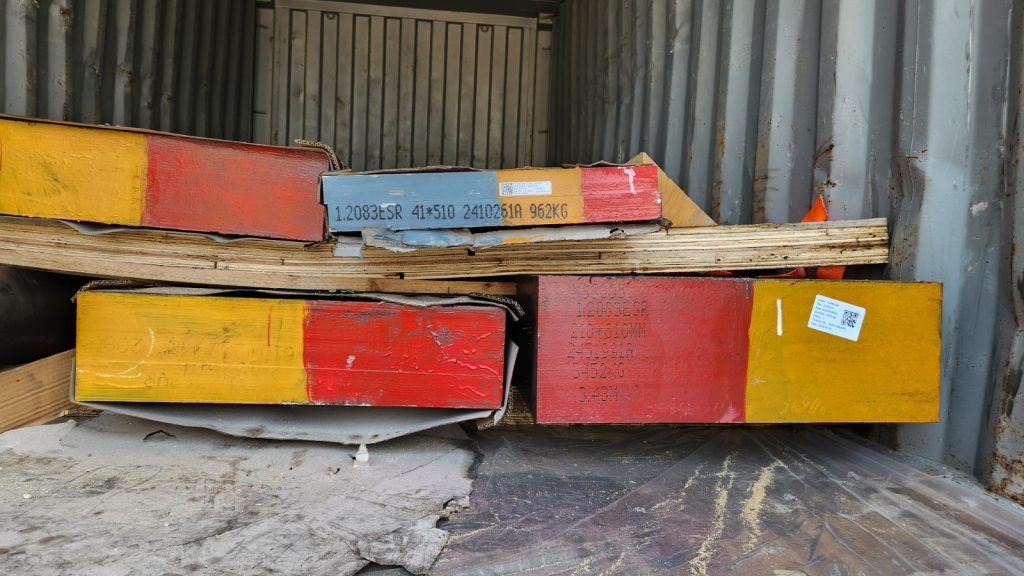
DIN 1.2316 Corrosion Resistance Plastic Mould Steel in Gurugram for Long-Term Mould Performance
DIN 1.2316 Corrosion Resistance Plastic Mould Steel for Long-Term Mould Performance
DIN 1.2316 plastic mould steel is widely recognized for its exceptional corrosion resistance, superior polishability, and long operational life in demanding moulding applications. Manufacturers producing precision plastic components often choose DIN 1.2316 steel to ensure reliable mould performance, reduced maintenance, and consistent product quality over extended production cycles.
This high-performance stainless mould steel is especially suitable for industries that require high-gloss finishes, corrosion protection, and dimensional stability in injection moulding operations.
What is DIN 1.2316 Plastic Mould Steel?
DIN 1.2316 is a chromium-molybdenum alloyed stainless plastic mould steel developed for moulds exposed to corrosive plastics, moisture, and continuous manufacturing environments. The steel offers excellent resistance against rust and chemical attack while maintaining high hardness and polishability.
It is commonly supplied in pre-hardened condition, allowing easier machining and faster mould manufacturing processes without extensive heat treatment requirements.
Key Features of DIN 1.2316 Mould Steel
Excellent Corrosion Resistance
DIN 1.2316 contains high chromium content that provides outstanding resistance to corrosion and oxidation. This makes it highly suitable for processing corrosive plastics such as PVC, flame-retardant polymers, and moisture-sensitive materials.
Superior Mirror Polishability
The steel supports high-quality polishing for mirror-finish mould surfaces. It is widely used in applications requiring glossy plastic parts, optical clarity, and smooth surface textures.
High Wear Resistance
DIN 1.2316 offers reliable wear resistance during long production runs, helping maintain cavity precision and reducing mould deterioration over time.
Good Machinability
The pre-hardened structure allows efficient machining, milling, drilling, and finishing operations, improving manufacturing productivity and reducing tooling costs.
Dimensional Stability
The steel maintains dimensional accuracy during operation and heat exposure, ensuring consistent mould performance and high-quality product output.
Applications of DIN 1.2316 Plastic Mould Steel
DIN 1.2316 mould steel is widely used in:
- Plastic injection moulds
- PVC moulding applications
- Medical plastic moulds
- Cosmetic packaging moulds
- Automotive lamp moulds
- Optical component moulds
- Transparent plastic product moulds
- Food-grade plastic moulding tools
- High-gloss consumer product moulds
Its corrosion-resistant properties make it ideal for environments where conventional mould steels may fail due to rust or chemical exposure.
Importance of Corrosion Resistance in Plastic Moulds
Corrosion inside mould cavities can negatively affect both mould life and product quality. Rust formation may cause:
- Surface defects
- Reduced gloss finish
- Product contamination
- Increased maintenance downtime
- Dimensional inaccuracies
Using DIN 1.2316 stainless mould steel helps manufacturers minimize these issues while improving operational reliability and long-term productivity.
Advantages of DIN 1.2316 for Long-Term Mould Performance
Manufacturers benefit from DIN 1.2316 mould steel through:
- Extended mould lifespan
- Reduced maintenance frequency
- Better surface finish consistency
- Improved corrosion protection
- Lower production downtime
- Enhanced mould durability
- Stable high-volume production performance
These advantages make DIN 1.2316 one of the preferred materials for precision mould manufacturing across multiple industries.
Why Choose High-Quality DIN 1.2316 Mould Steel
Selecting premium-grade DIN 1.2316 steel ensures:
- Uniform hardness distribution
- Better polishability
- Superior machining performance
- Reliable corrosion resistance
- Consistent material quality
- Improved mould efficiency
Electro-slag remelted (ESR) variants of 1.2316 steel further improve cleanliness, surface quality, and polishing capability for high-end mould applications.
Conclusion
DIN 1.2316 corrosion-resistant plastic mould steel is an excellent choice for manufacturers seeking long-term mould performance, superior surface finish, and reliable operational durability. Its combination of corrosion resistance, wear strength, polishability, and dimensional stability makes it ideal for high-performance injection moulding applications.
For industries producing precision plastic components, investing in high-quality DIN 1.2316 mould steel helps achieve better product quality, longer mould life, and improved manufacturing efficiency.
Top of Form
Services:
Typical applications:
How to reserve: