
P20 Steel Maintenance Tips for Longer Mould Life
- posted by: pradeep
- No Comments
P20 Steel Maintenance Tips for Longer Mould Life
Introduction
P20 steel is one of the most widely used pre-hardened tool steels for plastic injection moulds due to its excellent machinability, toughness, polishability, and dimensional stability. It is commonly used in automotive, packaging, consumer goods, household appliances, and engineering industries where reliable mould performance is essential.
While P20 steel is designed for durability, regular maintenance is the key to maximizing its service life and maintaining consistent production quality. Neglecting mould maintenance can lead to corrosion, wear, poor surface finish, longer cycle times, and expensive repairs.
In this comprehensive guide, we’ll explore the most effective P20 steel maintenance tips that help extend mould life, reduce downtime, and improve manufacturing efficiency.
Why is P20 Steel Maintenance Important?
Proper maintenance helps preserve the mould’s structural integrity and surface quality throughout its service life.
Key benefits include:
- Extended mould life
- Improved product quality
- Reduced production downtime
- Lower maintenance costs
- Better dimensional accuracy
- Improved surface finish
- Reduced wear
- Increased production efficiency
Routine maintenance is a cost-effective way to protect your tooling investment.
Understanding P20 Steel Properties
P20 steel is typically supplied in a pre-hardened condition (28–34 HRC), eliminating the need for additional hardening in many applications.
Key characteristics include:
- Excellent machinability
- Good wear resistance
- High toughness
- Excellent polishability
- Uniform hardness
- Good dimensional stability
- Moderate corrosion resistance
Although durable, P20 steel still requires regular care to prevent corrosion and premature wear.
Essential P20 Steel Maintenance Tips
1. Clean the Mould After Every Production Run
Cleaning removes plastic residue, dust, oils, and contaminants that can damage mould surfaces.
Recommended steps:
- Remove plastic deposits
- Clean vent areas
- Clear ejector pin holes
- Wipe all exposed surfaces
- Remove cooling water residue
Avoid leaving contaminants on the mould for extended periods.
2. Prevent Rust Formation
P20 steel offers moderate corrosion resistance but is not stainless steel.
To prevent rust:
- Dry the mould completely
- Apply rust preventive oil
- Store in low-humidity environments
- Protect cooling channels
- Remove moisture immediately
Rust prevention significantly increases mould longevity.
3. Lubricate Moving Components
Moving parts require regular lubrication.
Lubricate:
- Guide pins
- Ejector pins
- Slides
- Bushings
- Locking mechanisms
Proper lubrication reduces friction and minimizes wear.
4. Inspect Cooling Channels
Blocked cooling channels reduce mould performance.
Regular inspection helps prevent:
- Scale buildup
- Corrosion
- Water leakage
- Reduced cooling efficiency
Flush cooling channels periodically using approved cleaning solutions.
5. Monitor Surface Finish
The polished cavity directly affects product appearance.
Inspect for:
- Scratches
- Wear marks
- Corrosion spots
- Plastic deposits
Minor polishing may restore surface quality before defects worsen.
6. Check Venting Areas
Blocked vents can cause:
- Burn marks
- Short shots
- Trapped air
- Poor filling
Clean vent grooves regularly to maintain efficient mould performance.
7. Tighten Fasteners
Repeated production cycles may loosen bolts and inserts.
Regularly inspect:
- Bolts
- Clamps
- Inserts
- Wear plates
Loose components may affect mould alignment and dimensional accuracy.
8. Protect During Storage
Proper storage prevents corrosion and accidental damage.
Best practices include:
- Apply protective oil
- Wrap moulds securely
- Store indoors
- Control humidity
- Cover exposed surfaces
Avoid direct contact with water or chemicals during storage.
Periodic Preventive Maintenance
In addition to daily cleaning, schedule preventive maintenance.
Activities include:
- Complete disassembly
- Deep cleaning
- Wear inspection
- Component replacement
- Cooling system inspection
- Polishing
- Lubrication
- Dimensional verification
Preventive maintenance minimizes unexpected production interruptions.
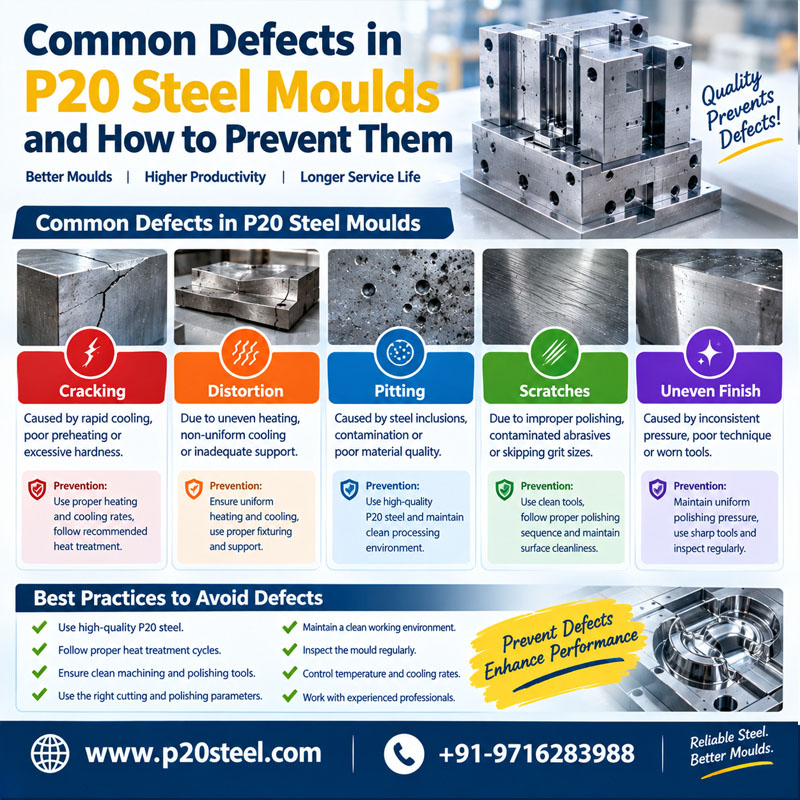
Common Causes of Mould Damage
Understanding common issues helps prevent failures.
Corrosion
Caused by:
- Moisture
- Cooling water leakage
- Humid environments
- Chemical exposure
Wear
Occurs due to:
- High production volumes
- Poor lubrication
- Abrasive plastics
Surface Damage
Possible causes:
- Improper cleaning
- Mishandling
- Scratches during maintenance
Cooling Problems
Caused by:
- Mineral deposits
- Blocked channels
- Water contamination
Recommended Cleaning Materials
Use non-abrasive cleaning products whenever possible.
Suitable materials include:
- Soft brushes
- Microfiber cloths
- Approved mould cleaners
- Compressed air
- Plastic scrapers
- Corrosion inhibitors
Avoid aggressive tools that may scratch polished surfaces.
Importance of Proper Polishing
Occasional polishing helps restore surface quality.
Benefits include:
- Better mould release
- Improved appearance
- Reduced friction
- Lower defect rates
- Longer mould service life
Use appropriate polishing compounds and avoid excessive material removal.
Maintenance Checklist
A simple maintenance routine can include:
Daily
- Clean mould surfaces
- Remove plastic residue
- Inspect visible wear
- Lubricate moving parts
Weekly
- Inspect cooling channels
- Check venting
- Verify fasteners
- Remove accumulated deposits
Monthly
- Deep clean the mould
- Inspect cavity dimensions
- Check ejector systems
- Evaluate polishing condition
Annual or Scheduled Shutdown
- Complete inspection
- Replace worn components
- Re-polish cavities
- Pressure-test cooling circuits
Best Practices for Longer Mould Life
Follow these recommendations:
- Handle moulds carefully.
- Avoid impacts during transportation.
- Keep moulds clean and dry.
- Use proper mould release agents.
- Monitor cooling water quality.
- Train maintenance personnel.
- Record maintenance history.
- Replace worn components promptly.
- Store moulds correctly.
- Follow manufacturer maintenance schedules.
Industries Using P20 Steel Moulds
P20 steel is widely used in:
- Plastic injection moulding
- Automotive manufacturing
- Consumer products
- Packaging industry
- Household appliances
- Electrical components
- Industrial plastics
- Medical equipment
- Engineering products
- General manufacturing
Regular maintenance ensures consistent production across all these industries.
Advantages of Proper P20 Steel Maintenance
Routine maintenance provides:
- Extended mould life
- Reduced repair costs
- Improved production efficiency
- Better product quality
- Lower downtime
- Increased reliability
- Higher return on investment
- Consistent dimensional accuracy
- Improved surface finish
- Greater customer satisfaction
Conclusion
P20 steel is a trusted material for plastic mould manufacturing because of its excellent machinability, toughness, and polishability. However, even the highest-quality moulds require regular maintenance to achieve maximum performance and longevity.
By following proper cleaning procedures, preventing corrosion, lubricating moving parts, inspecting cooling systems, maintaining polished surfaces, and implementing preventive maintenance schedules, manufacturers can significantly extend the service life of P20 steel moulds.
A proactive maintenance program not only reduces repair costs and production downtime but also ensures consistent product quality and higher manufacturing efficiency. Investing time in proper P20 steel maintenance is a practical way to protect valuable tooling assets and achieve long-term operational success.