
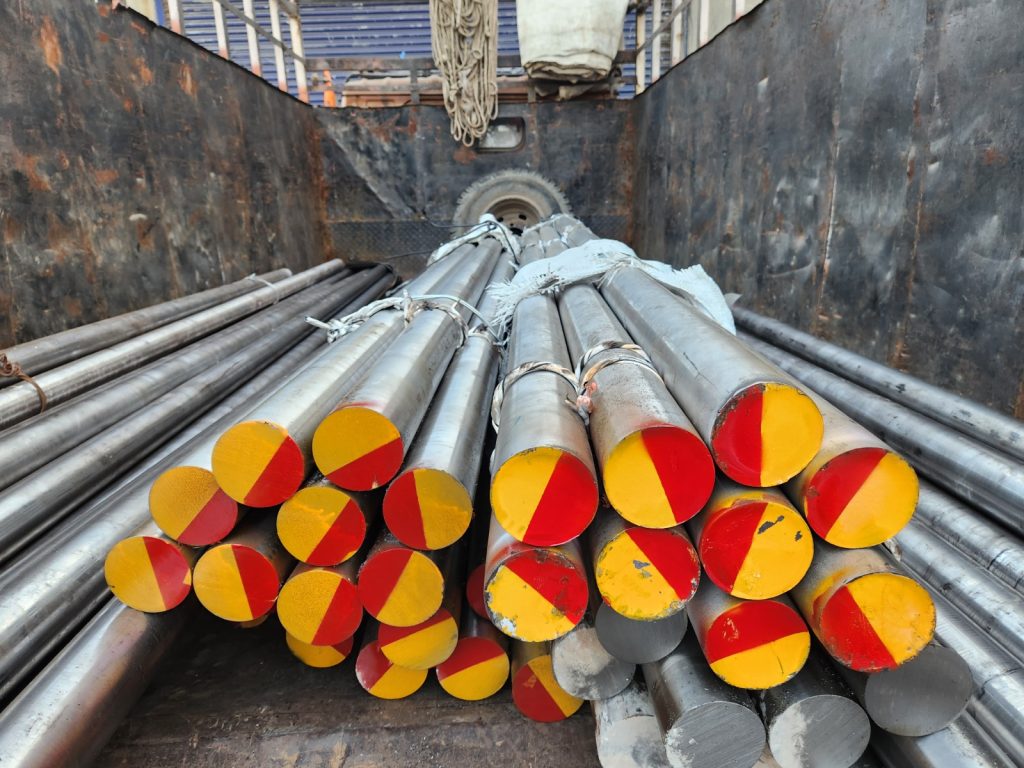
P20 Steel vs 718 Steel: Key Differences and Applications
P20 Steel vs 718 Steel: Key Differences and Applications
Introduction
Selecting the right mold steel is one of the most important decisions in mold manufacturing. Among the most commonly used pre-hardened mold steels, P20 Steel and 718 Steel (DIN 1.2738) are trusted by manufacturers for producing high-quality plastic injection molds and tooling components.
Although these two grades share many similarities, 718 Steel is considered an upgraded version of P20 due to its added nickel content, which improves toughness, hardness uniformity, and polishing performance. Understanding the differences between these materials can help manufacturers choose the right steel for better mold life, improved product quality, and cost-effective production.
In this guide, we’ll compare P20 Steel vs 718 Steel based on their composition, properties, applications, advantages, and ideal use cases.
What is P20 Steel?
P20 Steel is a chromium-molybdenum alloy pre-hardened mold steel widely used for manufacturing plastic injection molds, mold bases, and tooling components.
It is typically supplied with a hardness of 28–32 HRC, allowing manufacturers to machine the material directly without additional heat treatment.
Key Features of P20 Steel
- Pre-hardened condition
- Excellent machinability
- Good wear resistance
- High toughness
- Good polishability
- Cost-effective for general mold applications
What is 718 Steel?
718 Steel, commonly known as DIN 1.2738 or 718H, is an enhanced version of P20 Steel with the addition of nickel (Ni). This extra nickel improves through-hardness, toughness, polishability, and dimensional stability, making it especially suitable for large molds and high-gloss plastic components.
718 Steel is also supplied in a pre-hardened condition, generally with a hardness of 33–38 HRC.
Key Features of 718 Steel
- Higher hardness than P20
- Improved toughness
- Excellent mirror polishing
- Better wear resistance
- Uniform hardness throughout thick sections
- Longer mold life
Chemical Composition Comparison
| Element | P20 Steel | 718 Steel |
|---|---|---|
| Carbon (C) | 0.28–0.40% | 0.35–0.45% |
| Chromium (Cr) | 1.40–2.00% | 1.80–2.10% |
| Molybdenum (Mo) | 0.30–0.55% | 0.15–0.30% |
| Nickel (Ni) | Minimal | 0.80–1.20% |
| Manganese (Mn) | 0.60–1.00% | 1.30–1.60% |
The addition of nickel gives 718 Steel improved toughness, better hardness consistency, and enhanced polishing performance.
P20 Steel vs 718 Steel: Property Comparison
| Property | P20 Steel | 718 Steel |
| Hardness | 28–32 HRC | 33–38 HRC |
| Machinability | Excellent | Very Good |
| Wear Resistance | Good | Better |
| Toughness | Good | Excellent |
| Polishability | Good | Excellent |
| Mirror Finish | Good | Outstanding |
| Mold Life | Medium | Long |
| Cost | Lower | Higher |
Key Differences Between P20 Steel and 718 Steel
1. Hardness
718 Steel is supplied with a higher hardness than P20 Steel, making it more resistant to wear during long production runs.
Winner: 718 Steel
2. Toughness
The nickel content in 718 Steel significantly improves toughness, particularly in large mold blocks where uniform properties are important.
Winner: 718 Steel
3. Machinability
P20 Steel machines more easily due to its lower hardness, helping manufacturers reduce machining time and tooling costs.
Winner: P20 Steel
4. Polishability
718 Steel offers superior polishing characteristics, making it the preferred choice for molds producing transparent or high-gloss plastic parts.
Examples include:
- Cosmetic packaging
- Optical components
- Medical products
- Consumer electronics
- Premium household appliances
Winner: 718 Steel
5. Mold Size
P20 Steel performs exceptionally well in small to medium-sized molds.
718 Steel provides better hardness uniformity in large mold blocks, reducing the risk of inconsistent performance.
Winner: 718 Steel
6. Cost
P20 Steel is generally more economical, making it an excellent choice for standard industrial applications and medium production volumes.
Winner: P20 Steel
Applications of P20 Steel
P20 Steel is commonly used for:
- Plastic injection molds
- Mold bases
- Blow molds
- Compression molds
- Automotive plastic components
- Household products
- Packaging molds
- Industrial tooling
- Consumer goods
Its balance of performance and affordability makes it one of the industry’s most popular mold steels.
Applications of 718 Steel
718 Steel is preferred for:
- Large plastic injection molds
- High-gloss plastic products
- Transparent plastic molds
- Automotive exterior components
- Precision consumer electronics
- Medical equipment housings
- Thin-wall plastic products
- Long-production molds
Its superior polishing capability and durability make it ideal for premium mold applications.
Advantages of P20 Steel
- Lower material cost
- Excellent machinability
- Faster production
- Good weldability
- Easy maintenance
- Reliable performance
- Suitable for medium production volumes
Advantages of 718 Steel
- Higher hardness
- Better wear resistance
- Superior mirror polishing
- Improved toughness
- Longer mold life
- Better hardness consistency
- Excellent performance for large molds
Which Steel Should You Choose?
Choose P20 Steel if you need:
- Standard plastic injection molds
- Medium production volumes
- Lower manufacturing costs
- Faster machining
- Small to medium mold sizes
Choose 718 Steel if you need:
- Large injection molds
- Mirror-polished surfaces
- High-volume production
- Longer mold life
- Better wear resistance
- Premium cosmetic plastic products
Quick Comparison Table
| Feature | P20 Steel | 718 Steel |
| Pre-Hardened | ✔ Yes | ✔ Yes |
| Hardness | 28–32 HRC | 33–38 HRC |
| Nickel Content | Low | Higher |
| Machinability | Excellent | Very Good |
| Wear Resistance | Good | Excellent |
| Mirror Finish | Good | Excellent |
| Large Mold Performance | Good | Excellent |
| Cost | Lower | Higher |
Tips for Selecting the Right Mold Steel
When selecting between P20 and 718 Steel, consider:
- Production volume
- Mold size
- Surface finish requirements
- Budget
- Plastic material being molded
- Expected mold life
- Maintenance requirements
Consulting an experienced steel supplier can help ensure the most suitable material for your application.
Why Buy from P20 Steel Supplier?
At P20 Steel Supplier, we provide premium-quality mold steels to meet the demands of modern manufacturing.
Our Advantages
- Certified quality materials
- Competitive pricing
- Multiple sizes and specifications
- Custom cutting services
- Fast delivery
- Technical support
- Reliable customer service
Whether you need P20 Steel for general mold making or guidance on selecting the right mold steel, our team is ready to assist.
Conclusion
Both P20 Steel and 718 Steel are excellent choices for plastic mold manufacturing, but each serves different production needs.
P20 Steel is an economical and highly machinable solution for standard plastic molds and medium-volume production. In contrast, 718 Steel offers enhanced toughness, superior polishability, and longer mold life, making it ideal for large molds, premium surface finishes, and demanding production environments.
By understanding the strengths of each material, manufacturers can improve tooling performance, reduce production costs, and maximize mold lifespan. Choosing a trusted supplier ensures you receive certified materials, expert guidance, and dependable service for every project.
Typical applications:
How to reserve: