
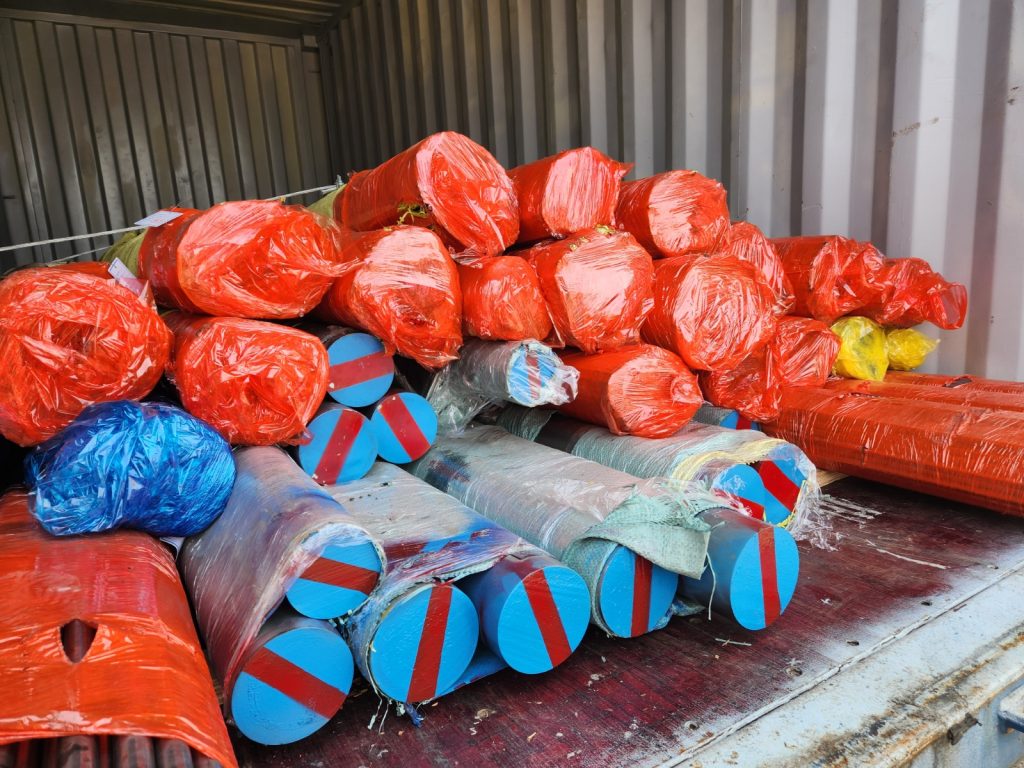
What is P20 Steel? Properties, Applications, and Benefits Explained
- posted by: parasri
- No Comments
Introduction
P20 steel is one of the most widely used pre-hardened tool steels in the manufacturing industry. Known for its excellent machinability, high strength, and outstanding polishing characteristics, P20 steel is the preferred choice for plastic injection molds, die casting dies, and various tooling applications.
Whether you’re a mold manufacturer, tool maker, or industrial buyer, understanding the properties and advantages of P20 steel can help you select the right material for your project. In this guide, we’ll explore everything you need to know about P20 steel, including its properties, applications, and key benefits.
What is P20 Steel?
P20 steel is a low-alloy, pre-hardened mold steel specifically designed for manufacturing plastic injection molds and tooling components. Unlike conventional tool steels that require hardening after machining, P20 steel is supplied in a pre-hardened condition, typically with a hardness of 28–32 HRC.
This pre-hardened state reduces machining time, lowers production costs, and improves manufacturing efficiency.
Chemical Composition of P20 Steel
The typical chemical composition of P20 steel includes:
| Element | Percentage |
|---|---|
| Carbon (C) | 0.28–0.40% |
| Chromium (Cr) | 1.40–2.00% |
| Manganese (Mn) | 0.60–1.00% |
| Molybdenum (Mo) | 0.30–0.55% |
| Silicon (Si) | 0.20–0.80% |
This balanced composition provides excellent toughness, wear resistance, and dimensional stability.
Key Properties of P20 Steel
1. Excellent Machinability
P20 steel is easy to machine compared to many hardened tool steels, reducing manufacturing time and tooling costs.
2. Pre-Hardened Condition
Supplied at approximately 28–32 HRC, P20 steel eliminates the need for additional hardening in many applications.
3. Good Toughness
The material offers excellent toughness, making it suitable for molds subjected to repeated production cycles.
4. Superior Polishability
P20 steel can achieve a high-quality polished finish, making it ideal for producing plastic components with smooth surfaces.
5. Uniform Hardness
The consistent hardness throughout the material ensures reliable machining and extended mold life.
6. Good Weldability
P20 steel can be repaired through welding using appropriate procedures, making mold maintenance easier and more economical.
Mechanical Properties
Typical mechanical properties include:
- Hardness: 28–32 HRC
- Tensile Strength: Approximately 950–1,100 MPa
- Good wear resistance
- Excellent toughness
- High dimensional stability
Actual values may vary depending on the manufacturer and specific heat treatment.
Common Applications of P20 Steel
P20 steel is widely used in various industrial applications, including:
- Plastic injection molds
- Blow molds
- Compression molds
- Die casting dies (for certain applications)
- Mold bases
- Automotive plastic parts
- Consumer goods manufacturing
- Packaging molds
- Rubber molds
- Tooling fixtures
Its versatility makes it one of the most popular mold steels worldwide.
Benefits of Using P20 Steel
Reduced Manufacturing Time
Since P20 steel is supplied pre-hardened, manufacturers can begin machining immediately without additional heat treatment.
Lower Production Costs
Reduced machining and heat treatment requirements help minimize production expenses.
Longer Mold Life
Excellent wear resistance contributes to longer service life and reduced maintenance.
High Surface Finish Quality
Superior polishability allows manufacturers to produce molds capable of creating high-gloss plastic products.
Easy Maintenance
Repair welding and straightforward machining simplify mold maintenance and refurbishment.
Consistent Performance
Uniform hardness and stable mechanical properties ensure reliable performance in demanding production environments.
Industries That Use P20 Steel
P20 steel is extensively used in:
- Automotive manufacturing
- Plastic injection molding
- Consumer electronics
- Medical device manufacturing
- Packaging industry
- Household appliance production
- Industrial tooling
- Toy manufacturing
Its reliability makes it a preferred material across industries requiring precision molds.
Tips for Choosing High-Quality P20 Steel
When purchasing P20 steel, consider the following:
- Buy from an experienced and reputable supplier.
- Verify material test certificates (MTC).
- Confirm chemical composition and hardness.
- Check dimensional accuracy and surface quality.
- Ensure the material complies with applicable international standards.
- Choose a supplier that offers technical support and prompt delivery.
Why Choose a Trusted P20 Steel Supplier?
Selecting a reliable supplier ensures:
- Certified material quality
- Competitive pricing
- Consistent inventory availability
- Custom cutting services
- Fast delivery
- Expert technical assistance
- Reliable after-sales support
Working with a trusted supplier helps reduce production risks and improves operational efficiency.